Back-to-School Nerves: Calming Routines and Sensory Tools That Help Kids Settle
Quick Answer
Back to school nerves are normal, and predictability helps most: a gentle countdown before term, a calm snack-and-quiet-play landing after school, and a steady bedtime. Hands-on play like slime can be part of that at-home wind-down, but keep it at home rather than in the school bag.
Back to school nerves are normal. Lots of children wobble before and during a new term. What helps most is predictability: a gentle countdown before term starts, a calm, low-demand landing after school and a steady bedtime. Hands-on play like slime can be part of that at-home wind-down, but keep it at home, not in the school bag.
Whether you've got a little one starting Reception or a Year 5 veteran who's suddenly gone clingy, the wobbles are normal, and there's plenty you can do at home to help, both before term starts and in those first few weeks back. Here are the routines worth trying, plus an honest word about where slime fits in (and where it doesn't).
Why Back to School Nerves Are So Normal
A new school year is a big pile of unknowns for a small person. Children thrive on predictability, and September takes away almost all of it in one go: new routines, new faces, new expectations and sometimes a whole new building. As the NHS guidance on anxiety in children puts it, "many children feel anxious when going to a new school". Common signs include:
- Being clingier than usual, or asking lots of "what if" questions
- Tummy aches or "feeling funny" when school comes up
- Bigger reactions to small things, like tears over the wrong cup or meltdowns over socks
- Sleep going a bit sideways in the last week of the holidays
None of this means anything has gone wrong. For many children, everyday back to school worries ease as the routine of term settles in. Your child is simply processing a big change the only way they know how.
Build a Gentle Countdown Before Term Starts
Rather than a big pep talk the night before, spread the preparation over the last week or so of the holidays. Little and often beats one big conversation. Already back? The same ideas work before a new half-term or a move to a new school.
- Walk or drive the school route once or twice, casually, without making it A Thing
- Nudge bedtime earlier by 10 to 15 minutes every couple of nights, rather than a sudden reset on Sunday
- Let them choose something small, like a water bottle or a keyring for the book bag, so school prep includes some ownership
- Talk about the fun bits they're looking forward to, not just the logistics
- Do a uniform try-on a few days early to avoid first-morning drama over itchy jumpers
Keep the tone light. Children take their emotional cues from us, so if the countdown feels calm and ordinary, the new term starts to feel that way too.
The Empty Tank: Why Kids Fall Apart at 3.30pm
Here's the bit that catches so many parents out in September: your child holds it together all day at school, following rules, managing friendships and sitting still, then lets it all go the moment they see you. Teachers get the composed version; you get the empty tank.
That after-school explosion (or total silence) isn't rudeness, and it isn't a sign that school is going badly. One common way to think about it is that they've used up their self-control by home time, and home is where they feel safe enough to let go. What helps is a predictable, low-demand landing:
- A snack and a drink before any questions, because hungry and wrung-out is a bad combination
- Holding off on "how was your day?" for a while, as the stories often come out later, usually at bedtime
- Twenty minutes of quiet, hands-busy play before homework, clubs or screens
That last one is where tactile play earns its keep. Squishing and stretching something soft gives restless hands a job, with no rules, no right answers and nobody asking anything of them. Our guide to sensory play for calm has more simple routines.
Where Slime Fits (and Where It Doesn't)
We'll be honest: slime isn't a treatment for anything. But as a predictable, hands-busy activity after school, it can make a lovely wind-down. Same slime, same spot at the kitchen table, same twenty minutes: the repetition is the point.
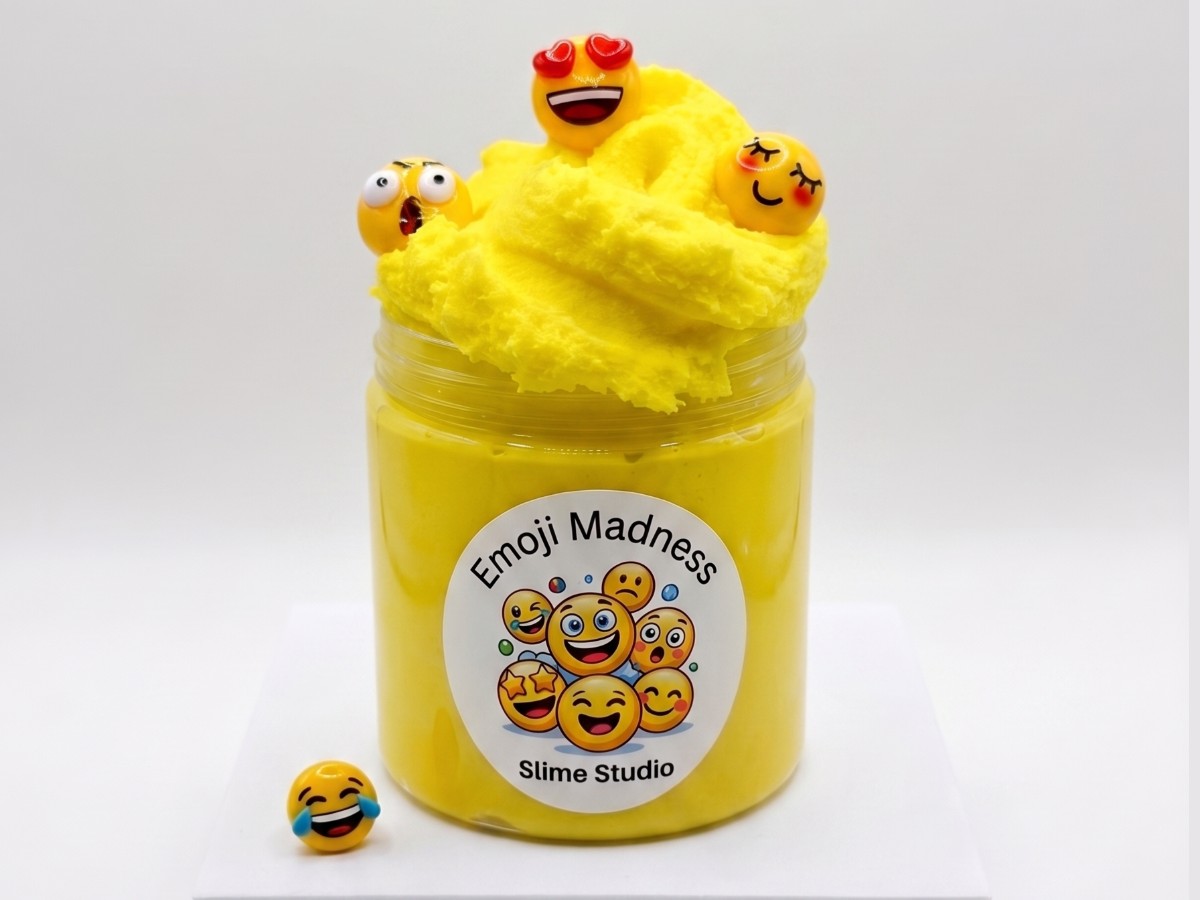
Most of our slimes are soft, stretchy butter slime (£8.99 each), lovely for slow squishing and folding. We also make one light, fluffy cloud slime, Emoji Madness (£9.99), for airier play. A few after-school picks:
- Cotton Candy Swirl: candyfloss scented, pink and white with lolly and sweet charms, the gentle classic
- Ducky Bubble Bath: passion fruit scented, aqua blue with bubble and duck charms to hunt for
- Sports Launch: lime scented and green, with sports sprinkles and football charms, for kids who'd rather be on the pitch
You can browse the whole line-up in our UK slime shop. Our guides to calming slime for stress and whether slime is a fidget toy will help you pick a texture and scent.
One important rule: slime stays at home. Please don't pop it in the school bag. Check your school's rules on toys before sending anything in, and remember that a confiscated pot helps nobody. Keeping slime as the thing waiting at home actually makes it work better: it becomes part of the coming-home ritual, something reliable to look forward to on a wobbly day.
Every slime is handmade to order by Amber and usually dispatched within 1–2 working days (up to 5 at busy times), so order at least a week or two before you'd like it. UK delivery is free on 5 or more slimes. We sell our slimes for ages 3 and up, with adult supervision for under-8s. New to slime? Our parents' guide to slime safety covers the essentials.
Try a Worry-Time Ritual
Worries have a habit of arriving at 8pm, right when you want lights out. A "worry time" ritual gets ahead of them:
- Pick a regular ten-minute slot. After dinner works well, but never right at bedtime
- Let your child say (or draw) whatever's on their mind, however small
- Resist fixing everything. Often "that sounds annoying" is all they need
- Write worries on slips of paper and post them into a jar, because putting them somewhere physical helps little minds put them down
- Close with something nice, like a cuddle, a silly joke or tomorrow's breakfast plan
Ten contained minutes can mean fewer worries leaking into bedtime.
Sleep and Mornings: The Quiet Heroes
Calming routines for kids rest on two boring pillars: enough sleep and unhurried mornings. A well-rested, unrushed child can cope with a surprising amount, while a tired, hurried one will struggle with things they'd normally shrug off.
- Keep the last hour before bed dim, slow and screen-free
- Use the same order every night (bath, pyjamas, story, lights) so bodies learn the cues
- Lay out uniform and pack bags together the night before
- Build in ten spare minutes each morning so nobody's shouting about shoes
- Use a consistent goodbye at the school gate, such as "hug, high-five, see you at pick-up"
And a gentle word: if the wobbles tip into persistent distress, such as refusing school outright or misery that isn't easing after the first few weeks, have a chat with the class teacher or your GP. The NHS says that if a child's anxiety "is severe, persists and interferes with their everyday life", a visit to a GP is a good place to start.
FAQ
Can my child take slime to school?
We'd keep slime at home. It's messy in a school bag, it's worth checking your school's rules on toys before sending anything in, and slime works best as part of the after-school wind-down anyway: something predictable waiting at home.
Is slime a cure for back to school anxiety?
No, and we'd never claim it is. Slime is a toy. It can be a calming, hands-busy part of an after-school routine, alongside good sleep, a gentle countdown and time to decompress. If your child's anxiety is severe, persists or gets in the way of everyday life, talk to their class teacher or your GP.
What age is slime suitable for?
We sell our slimes for ages 3 and up, with adult supervision for children under 8. Slime isn't suitable for children under 3 or for children who still put things in their mouths.
When should I order slime for the new term?
Every slime is handmade to order and usually dispatched within 1–2 working days (up to 5 at busy times), so order at least a week or two before you need it. UK delivery is free on orders of 5 or more slimes.
How long does a calming routine take to work?
There's no set timeline. Routines tend to help through repetition rather than novelty, so give a new routine a few weeks of consistency before you judge it. If your child is still really struggling, have a chat with their teacher or your GP.

Written by Amber
Amber is the founder of Amber's Slime Studio. She has been making slime for years and still makes every batch by hand. She's passionate about creating high-quality slimes that bring joy and sensory satisfaction.
Learn more about Amber →