Making Slime at Home: Beginner Tips for UK Families
Quick Answer
To make slime at home, an adult stirs white PVA glue with a little bicarbonate of soda, then slowly adds contact lens solution containing boric acid until it clumps, and everyone kneads. Keep it adult-led, keep activators away from children, and try cornflour gloop for younger kids instead.
The simplest way to make slime at home is for an adult to stir white PVA glue with a little bicarbonate of soda, then add contact lens solution a little at a time until it clumps, before everyone kneads it smooth. Keep it adult-led: supervise throughout, keep activators out of children's reach, and never use borax powder with kids.
Making slime is a brilliant rainy-afternoon project, and a little preparation turns a sticky mess into a silky, stretchy win. This is a general home-craft guide using ingredients you can find in UK shops. It isn't how we make the slimes we sell, and we don't share our own recipes. Here's how to do it safely.
Safety First
- An adult leads. Supervise the whole time and keep slime away from mouths and eyes. Slime isn't suitable for children under 3, and children who still put things in their mouths should skip slime-making.
- Adults handle the activator. Contact lens solution that makes slime works because it contains boric acid or sodium borate, which is a boron-based activator. An adult should measure and add it, then put it away straight after.
- No borax powder. Don't let children handle borax or boric acid powder.
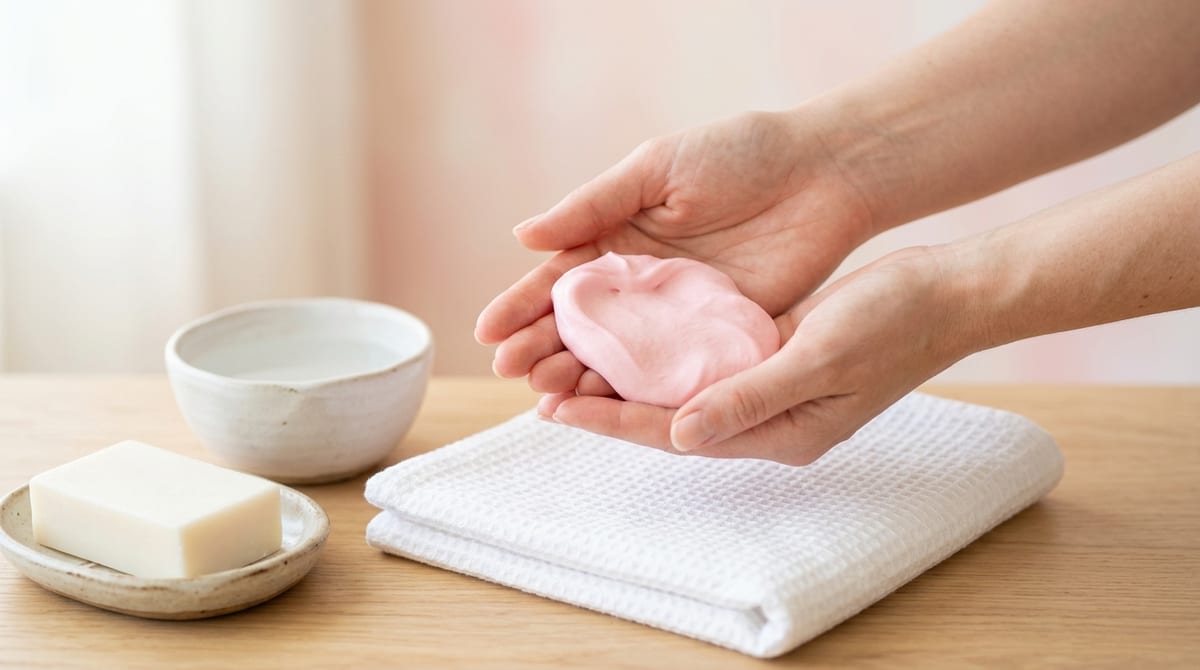
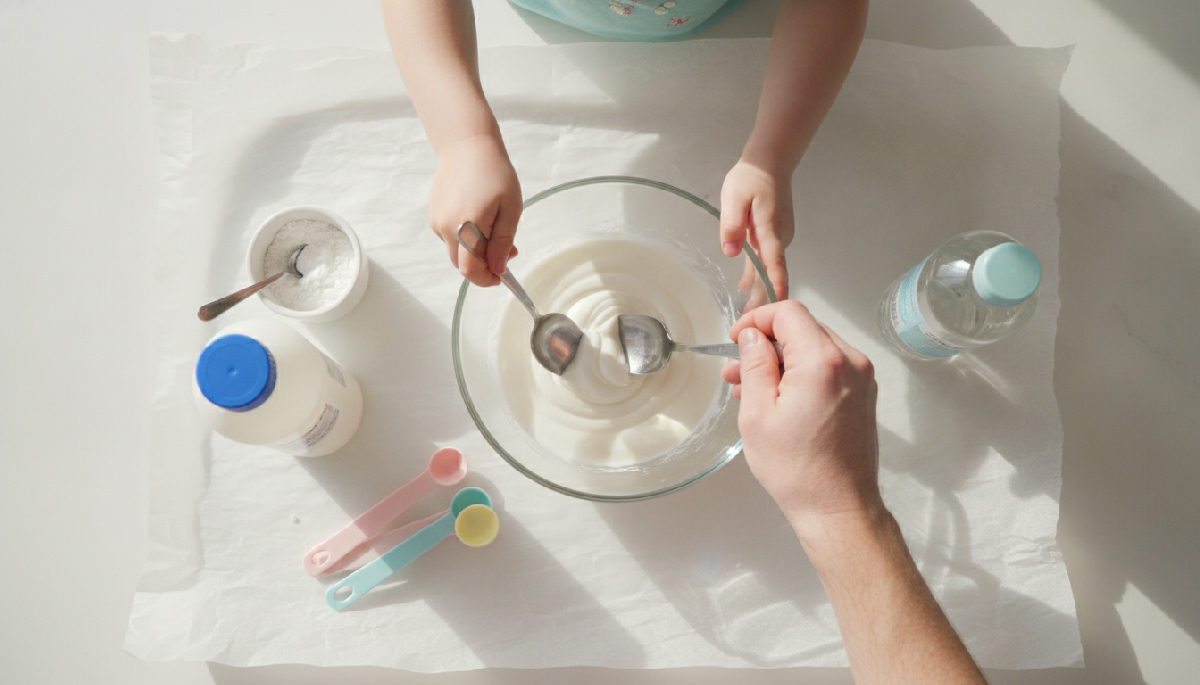
- Clean hands, short sessions. Wash hands before and after, and cover the table with baking parchment or a silicone mat.
- Sensitive skin or eczema? Keep sessions short, avoid play on broken skin and stop if skin gets red or itchy. Or try the boron-free ideas further down.
- Check your ingredients. Use white PVA glue made for children's crafts, and never swap in laundry detergent or multi-purpose glue.
For more on the risks, see our parents' guide to slime safety and slime ingredients explained. The government also lists unsafe products, including toys, on its Product Safety Alerts, Reports and Recalls page.
A Common Beginner Method (Adult-Led)
This contact lens solution method appears in lots of craft guides. The key is adding the activator slowly and kneading well.
You'll need (one small batch):
- 120ml white PVA glue made for children's crafts
- ½ teaspoon bicarbonate of soda
- 1 to 2 tablespoons contact lens solution that lists boric acid or sodium borate in its ingredients
- Optional: a drop or two of food colouring, and a teaspoon of plain lotion or a few drops of glycerine for softness
Steps:
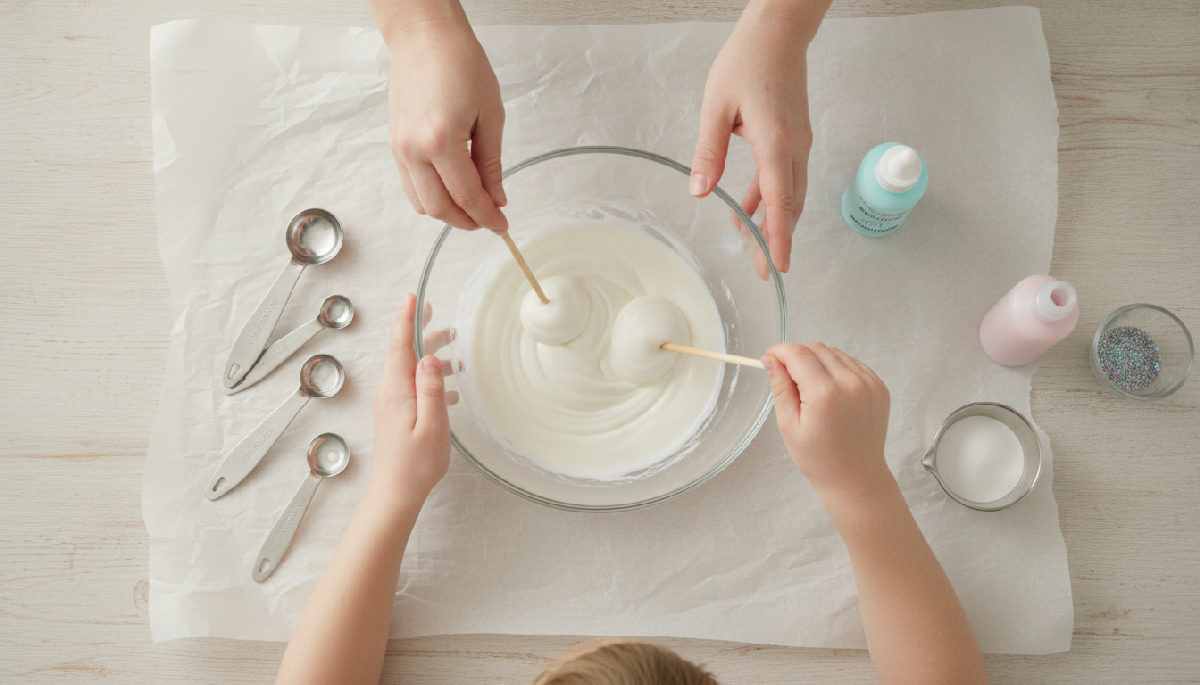
- Pour the glue into a bowl, add colouring if you're using it, and stir until the colour is even.
- Sprinkle in the bicarbonate of soda and mix until it's fully dissolved.
- Adult step: drizzle in 1 tablespoon of contact lens solution while stirring. The mixture should start pulling away from the sides of the bowl.
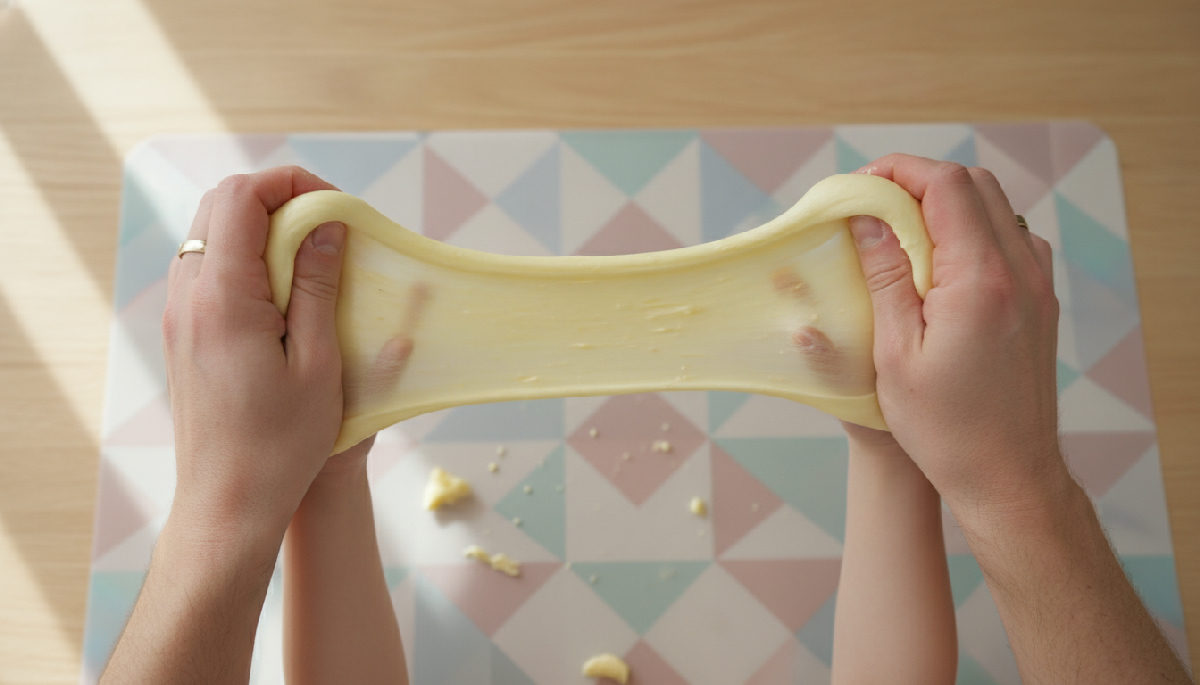
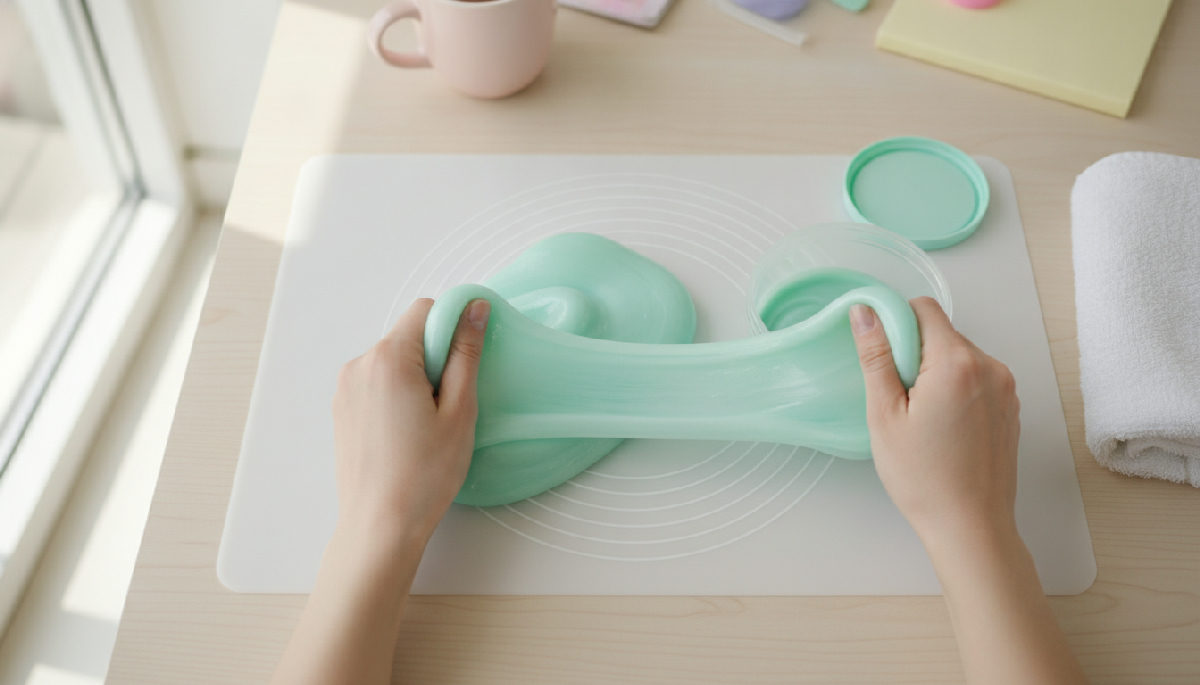
- Once it clumps, pick it up and knead for 2 to 3 minutes. Kneading is what turns tacky glue into stretchy slime.
- Still sticky after kneading? An adult can add a few more drops of solution, then knead again. If it turns rubbery, knead in a pea-sized amount of lotion or a teaspoon of warm water.
Tip: once a bottle of contact lens solution has been used for crafts, label it and keep it for crafts only. Never use it for eyes.
Boron-Free Sensory Ideas for Younger Children
If you'd rather avoid activators altogether, try these. They don't behave exactly like classic slime, but they're brilliant for short bursts of sensory play.
- Cornflour gloop (oobleck): mix 2 parts cornflour with 1 part water. It feels solid when you squeeze it and runs like a liquid when you let go. Use it for a short session, then bin it rather than pouring it down the sink.
- Psyllium gel: an adult simmers 1 tablespoon of psyllium husk with 240ml water in a microwave-safe bowl, stirring every 30 seconds until it gels. Let it cool completely before anyone touches it, as it gets hot.
Tuning the Texture
Start with half batches while you experiment.
- Softer and stretchier: knead in a few drops of glycerine or a teaspoon of plain lotion. Less is more.
- Fluffier: fold in shaving foam a tablespoon at a time for a pillowy texture that's best used within a few days. Skip this for children with sensitive skin.
- Glossier: knead thoroughly, then let the slime rest in an airtight pot for a few hours so bubbles can rise.
- Better bubble pops: a slightly thicker slime traps more air. Spread it, fold it and press.
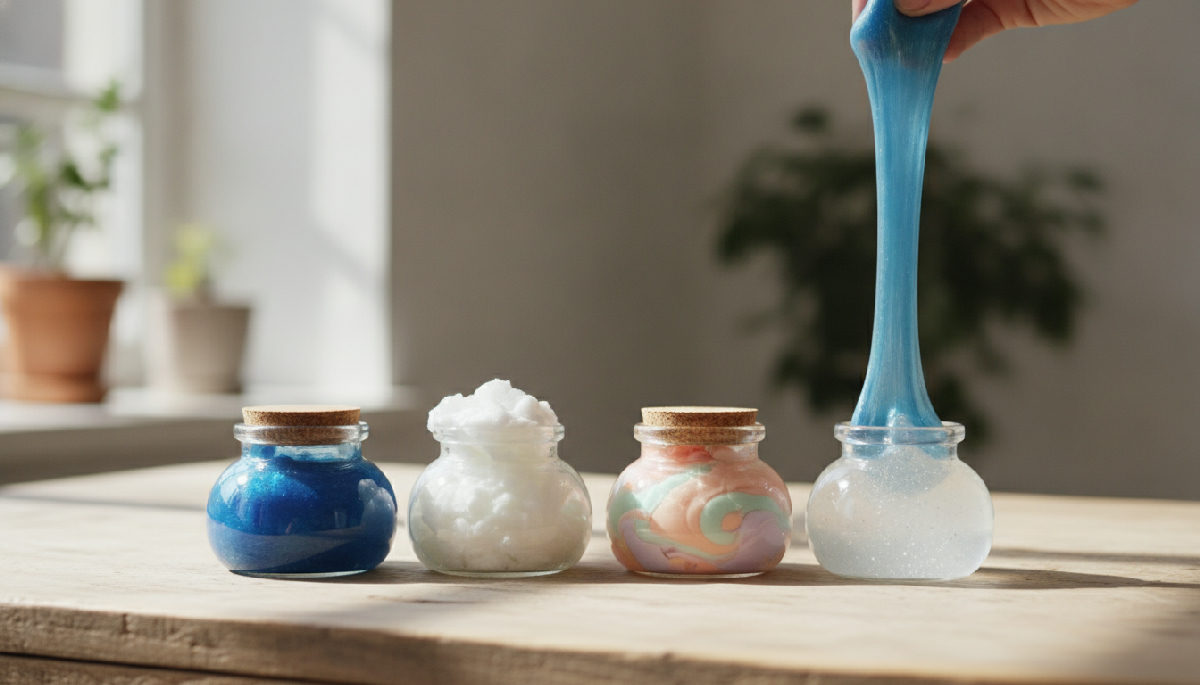
Curious how a professional texture compares with your homemade batch? Handmade butter slime and cloud slime are good examples of clay and snow textures.
Quick Fixes
| Problem | Likely cause | Quick fix |
|---|---|---|
| Too sticky after kneading | Not quite enough activator, warm hands or a humid day | Knead for 1 to 2 more minutes and rest for 5 minutes; an adult can add a few drops of solution |
| Rubbery or tears easily | Too much activator | Knead in a pea-sized amount of lotion or a teaspoon of warm water, or mix in a little fresh glue |
| Stringy and wet | Activator added too quickly | Pause, knead until smooth, and add a teaspoon of glue if needed |
| Lumpy | Bicarbonate of soda not fully dissolved | Keep kneading; next time, dissolve it fully before adding activator |
| Colour staining hands | Too much colouring | Use less, and mix colour into the glue before activating |
| Add-ins falling out | Slime too stiff | Soften with a few drops of glycerine, then fold the add-ins back in |
Storage, Hygiene and Clean-Up
- Storage: keep slime in an airtight container away from heat and sunlight. Homemade slime is usually best in the first week or two. Bin it if it smells, changes colour or grows mould.
- Clean-up: a fresh piece of slime lifts dried bits. For fabric, remove the excess, soak with cool water, then work in a little laundry detergent before washing. For hard surfaces, use warm soapy water.
- Disposal: never pour slime or glue down the sink. Put it in the household waste.
- Utensils: keep a slime-only bowl and spoon so your kitchen things stay clean.
UK Shopping List
- White PVA glue made for children's crafts
- Bicarbonate of soda
- Contact lens solution that lists boric acid or sodium borate (for adults to handle)
- Optional: food colouring, plain lotion or glycerine
- Optional for older children: foam beads, which are small parts and not for under-3s or anyone who still mouths things
- For boron-free play: cornflour or psyllium husk
When DIY Isn't the Vibe
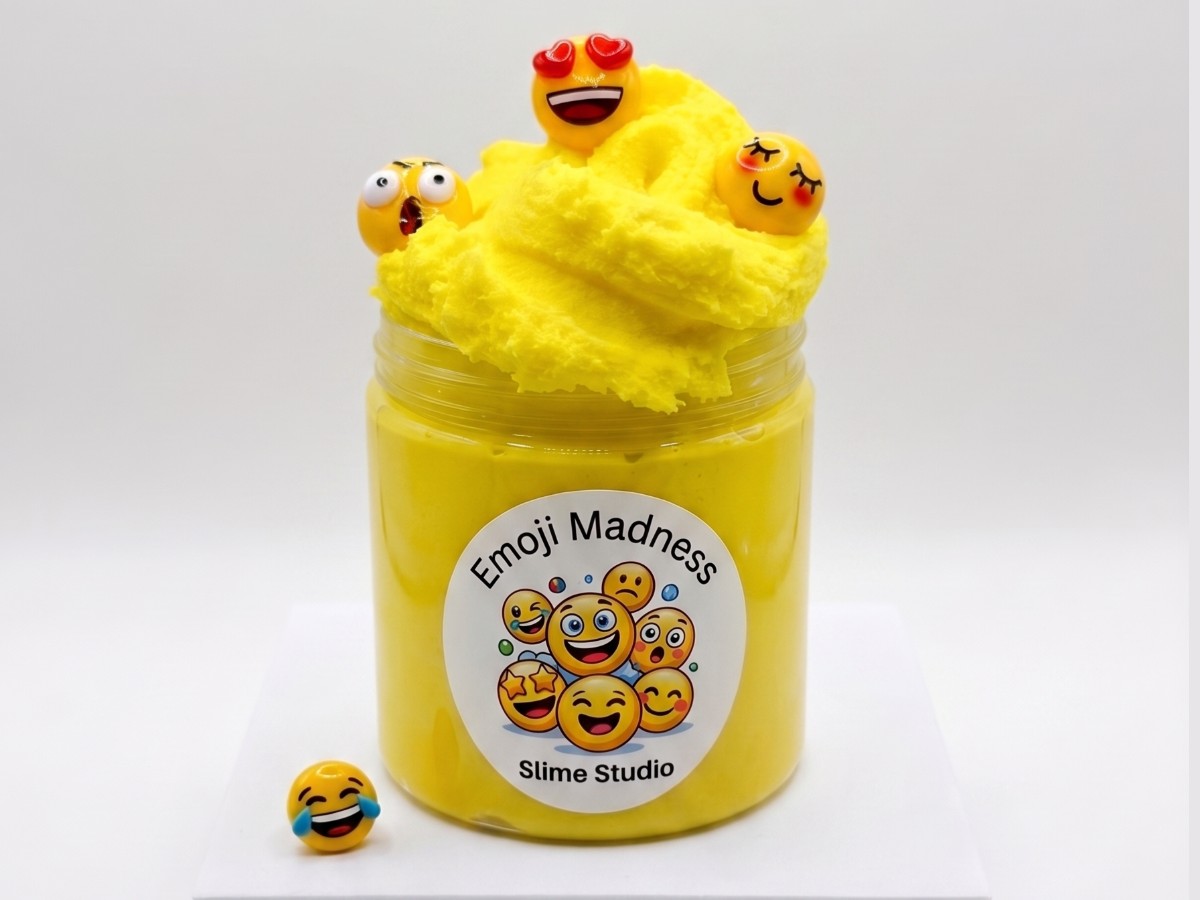
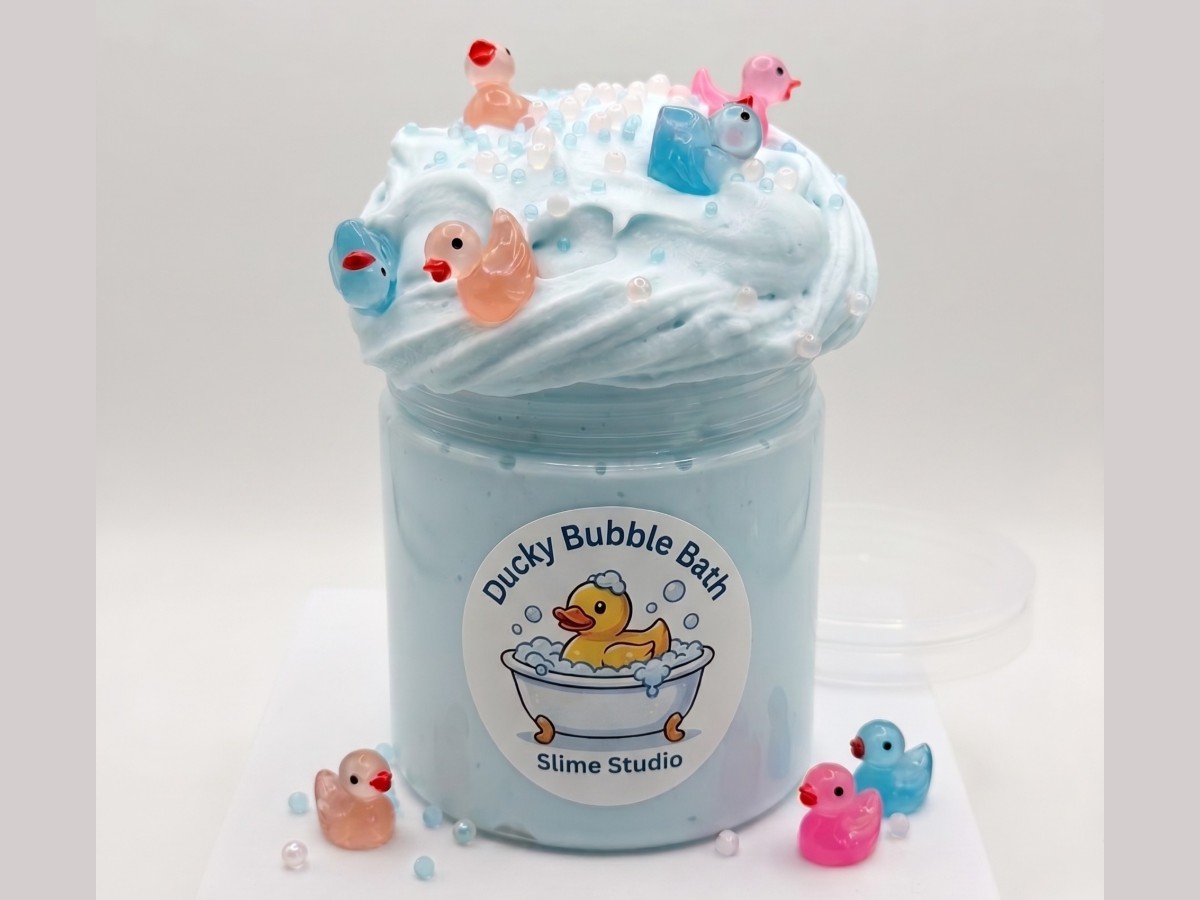
If you love the look, sound and squish of slime but not the kitchen clean-up, ready-made slime is the easy route. Ours is handmade to order in Hertfordshire: soft butter slime like Ducky Bubble Bath and Sports Launch at £8.99, and our cloud slime Emoji Madness at £9.99. Every order is usually dispatched within 1–2 working days (up to 5 at busy times), with free UK delivery on 5 or more slimes, and you can see behind the scenes on Instagram.
Buy slime in the UK from our shop →
Once you have a pot, our step-by-step slime instructions will keep it at its best. Every pot comes with its own sticky fix pen, so never use homemade activator, borax, contact lens solution or household chemicals on shop slime. For more rainy-day ideas, try our screen-free boredom busters.
Final Tips for Every Session
- Work small, and make half batches until you find the feel you like.
- Go slow with activator and knead more than you think you need to.
- Make small adjustments rather than big ones.
- Put the activator away before play starts.
FAQ
How do you make slime without borax powder?
The most common method uses white PVA glue, bicarbonate of soda and a contact lens solution that contains boric acid or sodium borate. It still uses a boron-based activator, just in a ready-made solution, so an adult should handle it. For activator-free play, try cornflour gloop.
Is contact lens solution slime safe for kids?
It needs care. The solution works because it contains a boron-based activator, so an adult should measure and add it, children should only play with the finished slime, and everyone should wash their hands afterwards. For younger children or sensitive skin, boron-free play like cornflour gloop is a simpler choice.
What age can children make slime?
There's no official age for making slime at home. Slime isn't suitable for children under 3, and younger children are better off with boron-free play like cornflour gloop. Older children can help mix and knead, as long as an adult supervises and handles the activator.
Why is my homemade slime still sticky?
Usually it needs more kneading or a tiny bit more activator. Knead for another minute or two and let it rest for five minutes. If it's still sticky, an adult can add a few drops of contact lens solution and knead again. Add it slowly, as too much makes slime rubbery.
How long does homemade slime last?
Homemade slime is usually at its best for the first week or two if you keep it in an airtight container away from heat. Bin it if it smells unpleasant, changes colour or shows any mould.

Written by Amber
Amber is the founder of Amber's Slime Studio. She has been making slime for years and still makes every batch by hand. She's passionate about creating high-quality slimes that bring joy and sensory satisfaction.
Learn more about Amber →